About
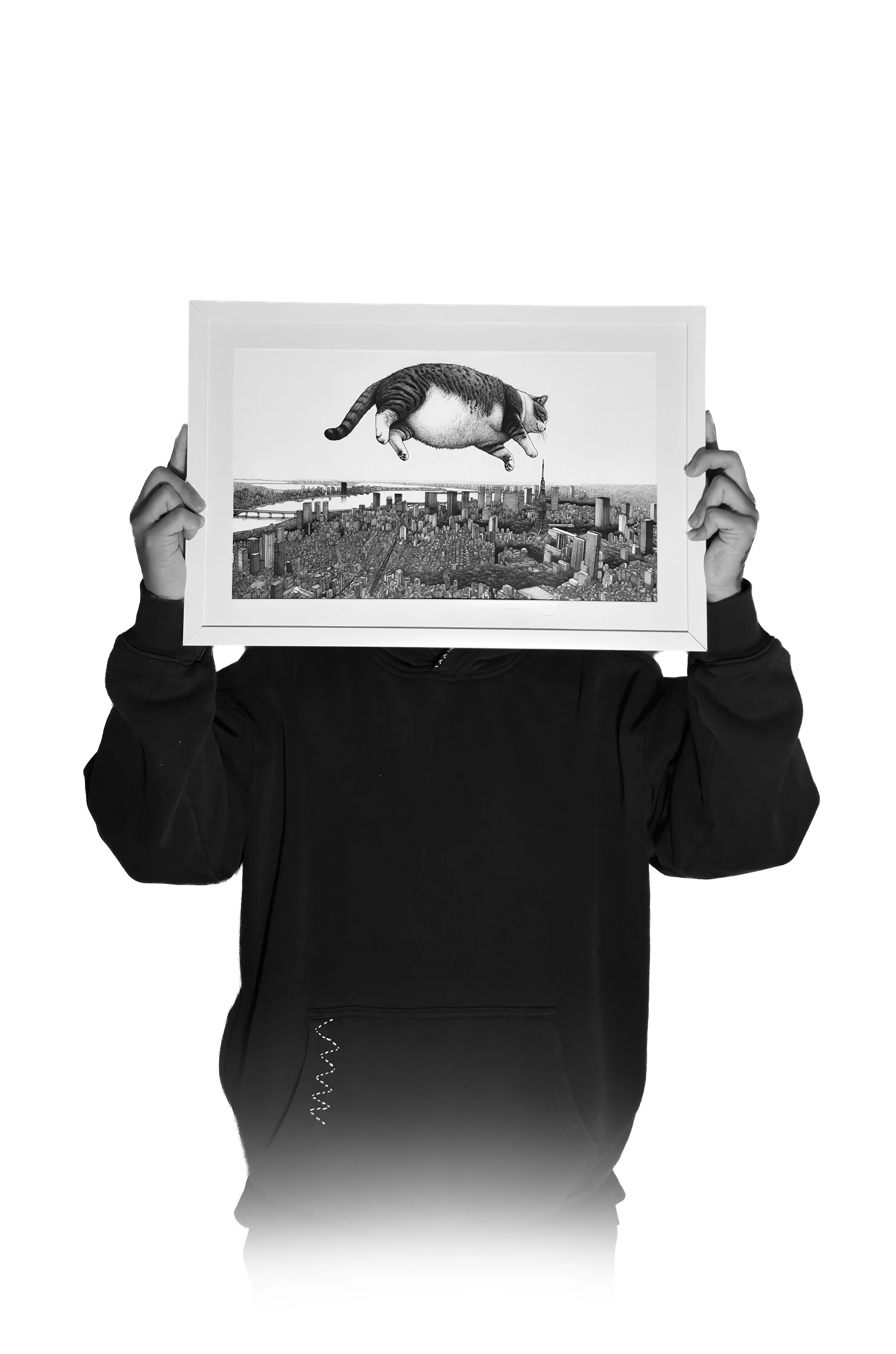
Hey, I'm Kevin Dang. I've been an artist for as long as I can remember, and somewhere along the way, I developed a slight obsession with the little things. The spacing between letters, the way light hits a building, a perfectly imperfect composition. The kind of details most people walk right past are usually the ones that keep me staring.
Idea
-
My ethos is simple: nothing is too ordinary to deserve attention, and nothing is too chaotic to contain meaning.
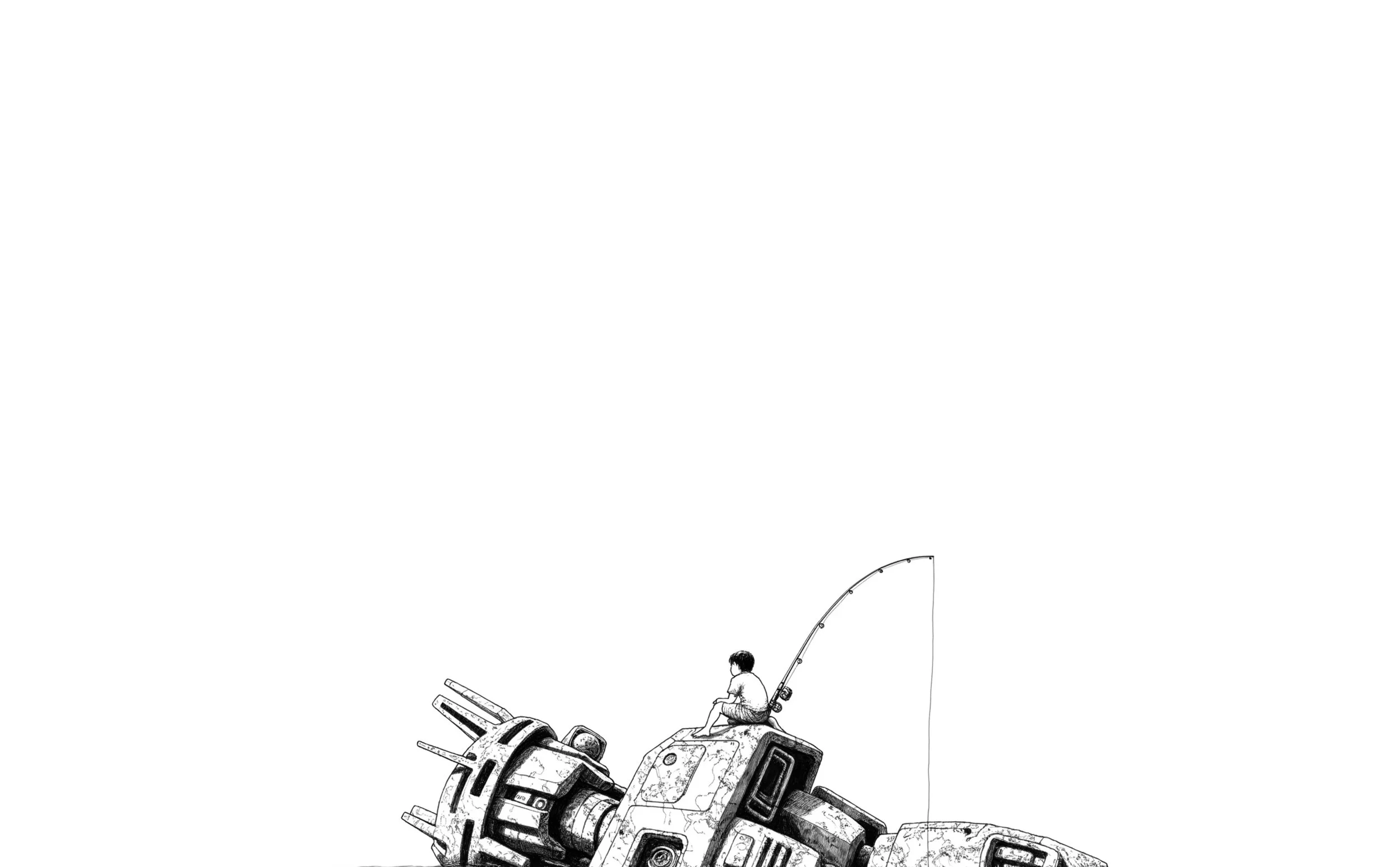
Because sometimes, the most honest portrait of a society isn't a beautiful landscape or a perfectly composed street scene. It's a drunk cat in a business suit, a child with nowhere important to be, a giant robot standing silently in the background, and a thousand little things scattered across the floor.
-
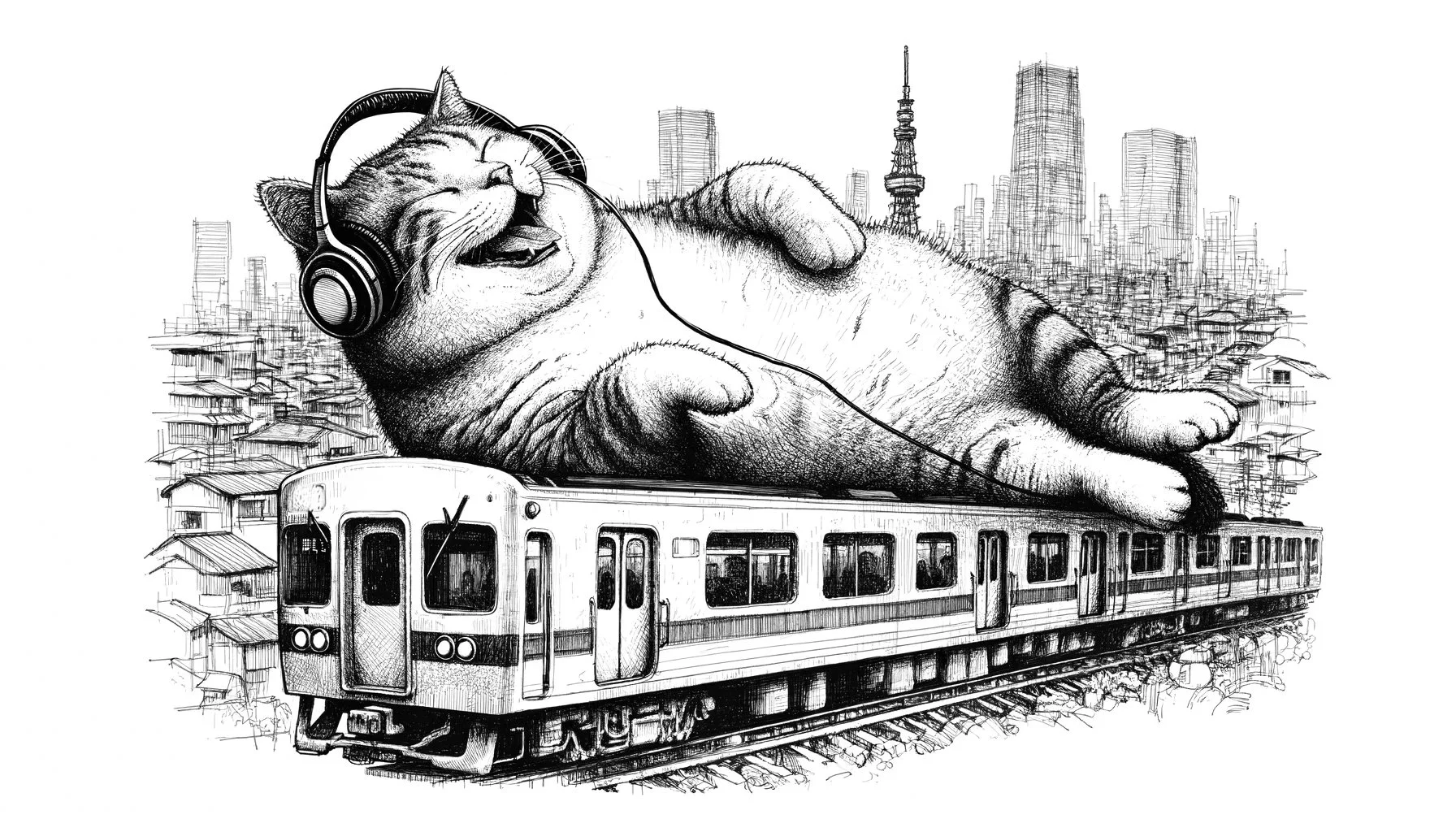
At the heart of my work is the everyday theater of Japanese life. Kids running through the streets, blissfully unaware of the weight of adulthood. Salarymen dressed in perfectly pressed suits, surrendering their lives to fluorescent offices and endless working hours, only to find themselves hours later in a tiny izakaya, ties loosened, drinking to their absolute limit. I portray these characters as fat cats: round, indulgent, absurdly comfortable creatures that embody both the pleasures and the quiet tragedies of modern life. They're funny, sometimes grotesque, but never entirely without sympathy. Behind their satisfied expressions lies a question I've always found interesting: Are we truly content, or have we simply become comfortable with the lives we've been given?
-
Then there are the robots, towering mechanical figures that interrupt these otherwise ordinary scenes. To me, they represent the machinery of society itself. The expectations we inherit, the routines we repeat, and the invisible systems that keep everything moving. They're symbols of power and technological ambition, but also of the armor we build around ourselves just to function. There's something deeply human about a machine designed to look invincible. Beneath all that steel, I imagine the same fragile impulses that exist in everyone: the desire to belong, to escape, to be useful, or simply to be free. They're also a small tribute to the childhood imagination that refuses to disappear, even in a world obsessed with growing up.
-
The debris, and clutter scattered throughout my drawings are just as intentional as the characters themselves. They represent everything that gets left behind in the pursuit of progress: forgotten objects, exhausted ambitions, discarded identities, and the little remnants of lives constantly moving forward. Japan is famously meticulous about cleanliness and order, which makes the imagined debris in my work all the more meaningful. It's less about physical garbage and more about the mess we carry within ourselves. I don't believe that beauty requires a perfectly clean canvas. Sometimes the things we overlook, throw away, or try to hide tell the most interesting stories.